More than a care home – senior living as a growing investment market
In Hungary, the term “care home for older people” still tends to refer to a single type of institution. Yet the needs of someone who wishes to remain active and independent in later life are very different from those of someone who already requires regular or continuous support.
The international senior living market therefore offers a range of interconnected models, from independent living to accommodation for people with high care needs. As populations age and care systems come under increasing pressure, senior living is also becoming a distinct real estate and investment segment.
Growing demand
According to the Hungarian Central Statistical Office, nearly 2 million people aged 65 or over were living in Hungary at the beginning of 2026, representing a 12% increase over ten years. [1] Projections suggest that by 2050, people over 65 could account for 26.9% of the population, while the share of those over 80 could rise from 4.7% in 2022 to 7.9%. [2]
In 2025, 55,680 people were living in long-term residential care homes for older people in Hungary. In 2000, the corresponding figure was 37,698. [3]
According to data from the Ministry of Social and Family Affairs from August 2026, in addition to the current capacity of around 62,000 places, a further 48,070 people were on waiting lists for care homes and residential care facilities for older people. [4]
The European Commission’s 2026 Country Report for Hungary states that access to high-quality long-term care is limited, particularly in rural areas, while home-based and community care services also face workforce shortages. [5]
However, the investment opportunity is not simply driven by the need for more places. Different life situations require different housing, service and care models, as the health status, expectations and desire for independent living among Hungary’s nearly two million people of retirement age vary considerably.
Different life situations, different models
Active senior living (independent living)
The first group consists of people who wish to continue living independently but no longer want to, or are no longer able to, maintain a large property or live alone.
For them, senior living is primarily a housing model focused on quality of life: an easy-to-use private home, a safe environment, communal spaces, dining options, programmes and services available according to individual needs.
Moving into such a development is a lifestyle decision. In many cases, the development’s real competitor is remaining in one’s own home, so it must offer clear added value: lower maintenance burdens, greater security, access to services and a sense of community.
Supported independent living (assisted living)
The next type of senior housing is aimed at people who are still largely independent but already need regular assistance with certain activities.
The building remains a residential environment, but is complemented by care support, 24-hour availability and enhanced security.
In CBRE’s UK survey, 50% of respondents considered access to support and care important, while 40% highlighted 24-hour on-site staff. By comparison, 34% mentioned leisure facilities and 30% restaurant and hospitality options. [6]
This shows that the value of senior living does not necessarily lie in providing the greatest possible number of amenities, but rather in achieving the right balance between independence and readily available support when needed.
High-care accommodation (care home, nursing home)
At the other end of the spectrum are older people who require substantial and ongoing support. Here, continuous care staff presence, appropriately qualified professionals, specific technical and safety solutions and, where relevant, environments designed for people living with dementia are required.
Under Hungarian regulations, a person may be admitted to a care home for older people if they have a recognised need for care but do not require regular inpatient hospital treatment. In cases of moderate or severe dementia, a separate care unit must be provided. [7]
This distinction is important because acute hospital care and long-term care serve different purposes. [8] Demand can be particularly significant when hospital treatment is no longer medically necessary, but safe care at home is not feasible.
When the home and the level of care can evolve together
Internationally, an increasing number of developments are designed so that residents do not have to find a new home every time their condition changes.
In integrated models – such as the UK Integrated Retirement Community (IRC) or the US Continuing Care Retirement Community (CCRC) – several levels of care can be provided within the same development: independent apartments, assisted living, dementia care and higher levels of nursing support.
This can offer residents greater security while giving investors access to a broader target group and a longer customer lifecycle. At the same time, the building and service model must be designed from the outset to adapt to higher care needs later on.
A distinctive international example is De Hogeweyk in the Netherlands, where people living with severe dementia live in small residential communities arranged in an environment resembling a small urban neighbourhood. Care functions are deliberately kept in the background, while the environment supports safety and familiar everyday routines. [9]
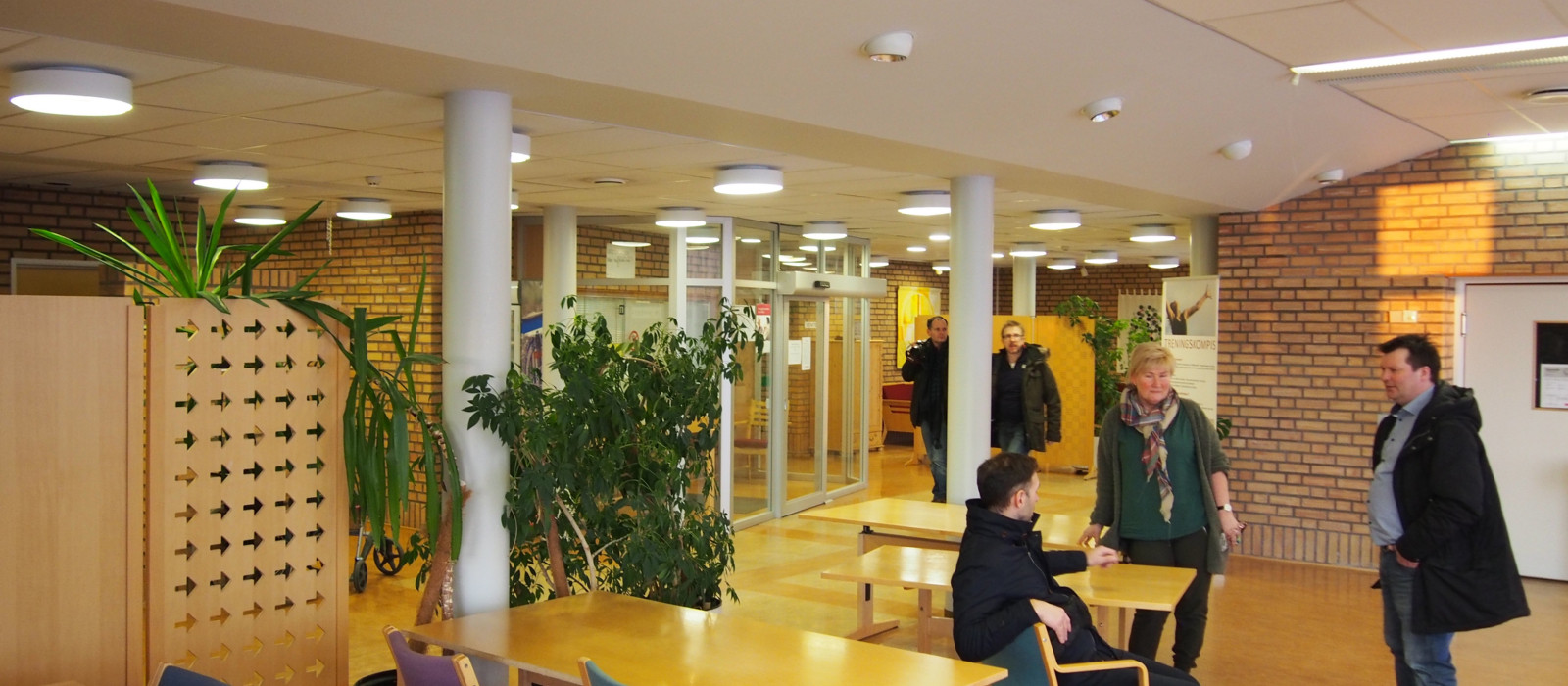
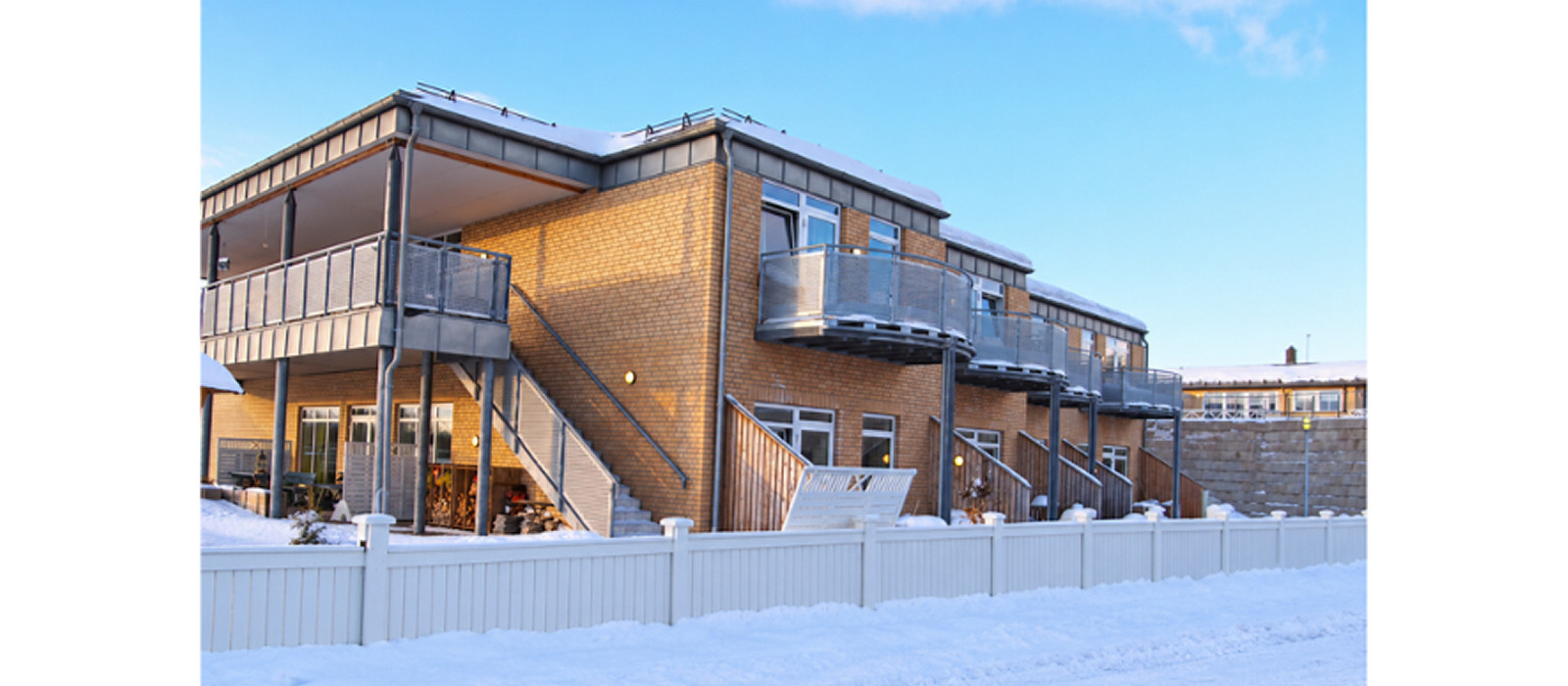
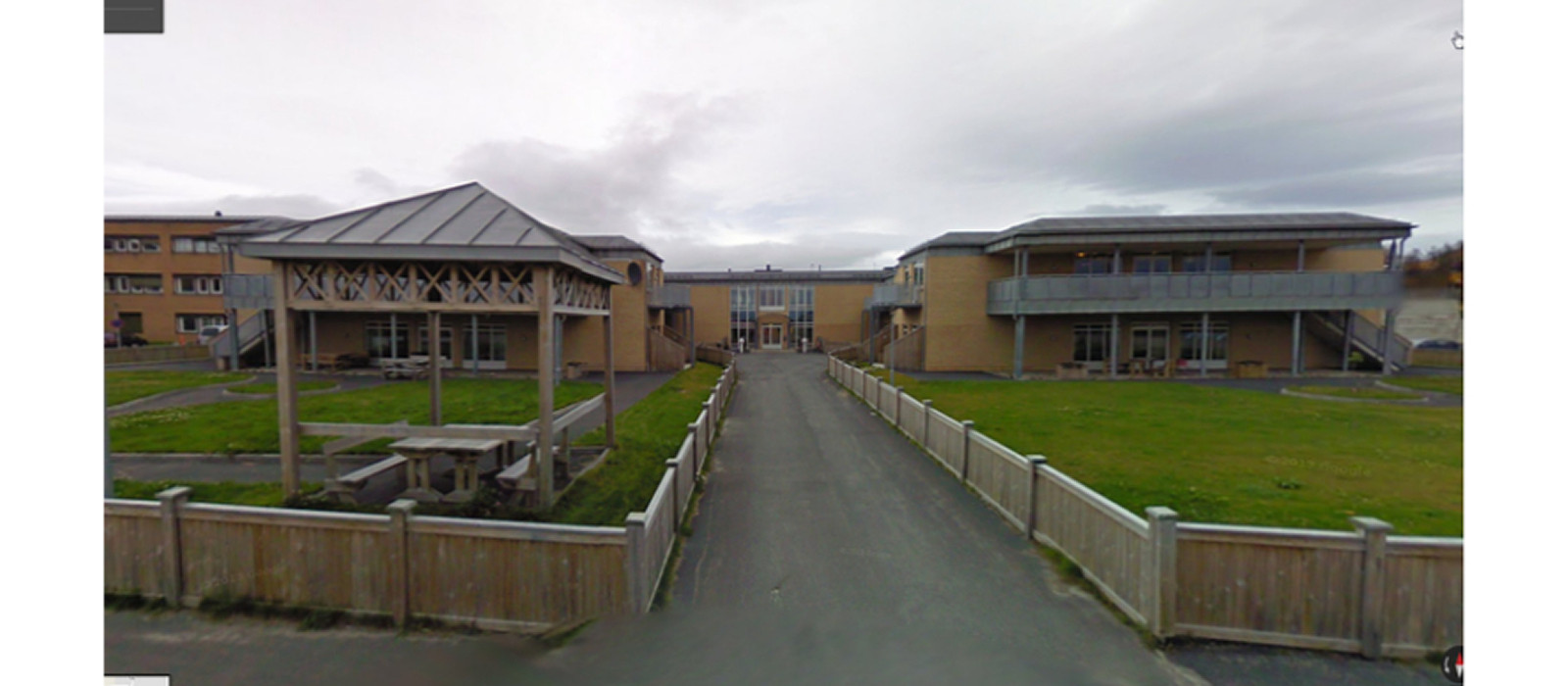
CÉH also has direct design experience in this field. At the Vadsø Rehabilitation Centre in Norway, a 19-person home designed for people living with dementia, an important objective was to avoid an institutional or hospital-like atmosphere while creating a safe and easily understandable environment.
The 32 m² single-occupancy residential units consist of a bedroom, an accessible bathroom and storage space, with each unit also having a balcony or terrace. A distinctive design feature is the spacious circular circulation system connecting the residential units, allowing residents with dementia to move continuously and safely without encountering dead ends.
Each of the two residential floors has its own shared dining area, living room and winter garden. The ground floor also includes a sauna and a Snoezelen room designed to stimulate the senses. The project illustrates how safety and care requirements can be combined with a homelike residential environment, communal spaces and functions that support quality of life.
A growing market from an investor perspective
According to JLL, within Europe’s living investment sector, care homes were one of the most dynamically growing investment categories in 2025, with transaction volumes increasing by 165% to approximately EUR 14.4 billion. [10]
In JLL’s 2026 US investor survey, 86% of respondents planned to increase their exposure to senior housing. Some 40% saw the greatest opportunity in assisted living, while 29% identified independent living as the most attractive segment. [11]
These figures cannot be directly applied to the Hungarian market, but they clearly indicate that senior living has already become a distinct investment category for international capital.
Where can such a development be viable?
The right location cannot be selected simply on the basis of where large numbers of older people live.
For active senior living, good transport connections, access to shops, healthcare and cultural services, as well as a safe and walkable environment may all be important.
For developments serving people with higher care needs, proximity to hospitals and outpatient care, good accessibility and, in particular, the availability of appropriately qualified staff become increasingly important.
Long-term care is highly dependent on operations. Location analysis must therefore consider not only the purchasing power of potential residents, but also the potential labour catchment area.
The building must be designed around its operation, residents and professional staff
In addition to new construction, the conversion of an existing hotel, residential building or even office property may also be considered, but technical suitability must be assessed at the very beginning of the project. Given increasingly stringent sustainability expectations and the health sensitivity of future residents, the use of deep renovation or “green retrofit” solutions is desirable when converting existing buildings. In addition to reducing CO₂ emissions, the use of renewable energy sources can significantly lower operating costs.
However, a favourable acquisition price for an existing building does not in itself make a development economical: major structural, mechanical or accessibility-related alterations required for a change of use can significantly increase project costs.
One of the most important starting points of the design programme is the level of independence and care needs of the future residents. Independent apartments, clusters of partly independent residential units and institutional accommodation for people with higher care needs require different spatial organisations. In cases of severe dementia, repeated wandering, significant mobility impairment, a bedridden condition, continuous nursing requirements or severe psychiatric conditions, an independent apartment may no longer be an appropriate form of accommodation.
For independent living, the developer should determine in advance what level of security, healthcare support, household assistance, food services, community functions and quality-of-life services the project will provide. Wherever possible, the building should also be capable of accommodating an increasing range of services as residents’ needs change over time.
Accessibility in this context goes beyond simply meeting statutory minimum requirements. Step- and threshold-free design, appropriately positioned and sufficiently intense lighting, easy-to-operate mechanical and electrical systems, and clear communication and safety systems are all important. Remote monitoring of the apartments’ mechanical and electrical systems can also be integrated into the building automation system.
When partly independent residential units are arranged in clusters, the space requirements and workflows of professional staff must also be considered. Carefully positioned care stations can reduce unnecessary staff movement, while safety alarm systems from individual units can be connected to central monitoring points. Corridors and circulation spaces must accommodate not only residents but also staff and equipment.
Communal spaces also have an important functional role. Lounges suitable for receiving family members, shared meals and programmes support residents’ social connections as well as their quality of life. For residents who are able to move independently, an attractive, safe and easily accessible outdoor environment is another important design consideration.
The required floor area should always be determined according to the chosen service model. As a design guideline, a single-person independent apartment may typically require 35–45 m², while accommodation for two people may require around 40–55 m². In clustered, partly independent residential units, approximately 25–30 m² net floor area per unit may be appropriate, in addition to communal and staff areas.
Higher levels of care require staff and service areas, care routes, suitably dimensioned circulation spaces, safety and nurse-call systems and, where relevant, special environments appropriate for people living with dementia.
Where enhanced healthcare services are provided, the relevant professional and operational requirements must already be considered during the design process. In Hungary, the professional minimum requirements for healthcare services are regulated by Decree 60/2003 (X. 20.) ESzCsM, while the general conditions for providing healthcare services and the operating licensing procedure are governed by Government Decree 96/2003 (VII. 15.). [12][13]
Design therefore needs to consider not only how many apartments or places can be created, but also how the building will function on a daily basis. Catering, cleaning, medication and equipment logistics, staff circulation, care activities and visitor flows all influence the floor plan and long-term operating costs.
Business and operating models
The roles of investor and operator can be structured in several ways.
In an owner-operator model, the same company owns and operates the property. In another model, the investor owns the building while a specialist operator manages it under a long-term agreement.
In active senior living, the resident’s legal relationship with the property may also take several forms: an owned apartment, a rented unit or a long-term right of use. The chosen structure directly affects financing, cash flow and the resident’s entry costs.
Legal classification is particularly important in Hungary. If the development operates as a social care home for older people, it is subject to the service provision and financing rules of the Hungarian Social Act. [7]
If the development combines residential property with related services, the legal classification and licensing requirements of the housing, social care and potential healthcare components must be clarified as early as the concept stage, involving legal expertise where necessary.
Affordability defines the product
Demographic demand alone does not make a development financially viable. The income and wealth profile of the target group, local property prices, affordable entry and monthly fees, and the extent to which families may contribute to the cost of care all need to be assessed.
In Hungary, existing housing wealth may play a particularly important role. According to Eurostat, 92% of Hungary’s population lived in owner-occupied households in 2024, one of the highest proportions in the European Union. [14] For active senior living, an important financing question may therefore be whether future residents sell, rent out or retain their previous home.
It also matters what the monthly fee includes: security services, meals, cleaning and healthcare support, or whether these are available only as additional services. The design of the service package is therefore both a business and an operational question.
According to CBRE, the more affordable mid-market segment and the availability of an appropriate range of senior housing options may represent one of the key areas of growth. [15]
Risks to consider
Growing demand does not remove the specific risks associated with this segment. One of the most important is labour availability: even the best-designed building cannot operate effectively without qualified carers and nurses. Success also depends heavily on the professional competence of the operator. Because the service is provided to older and often vulnerable people, shortcomings in service quality can quickly become a reputational risk, while changes in the regulatory environment may also affect operating conditions.
Good decisions are made before design begins
Several fundamental questions must already be answered during the preparation phase:
- Which type of senior living is being developed, and who is it intended for?
- What level of care will it provide, and which services will be included?
- How many staff will be required, and at what operating cost can the development function?
- Is a new building or the conversion of an existing property more economical?
- Which ownership and operating model is most appropriate?
At CÉH, we therefore do not treat developments of this kind purely as building design assignments. From the preparation phase onwards, we assess technical feasibility, functional requirements, costs, operations and long-term viability together. We also take both the developer’s and future residents’ interests into account when integrating sustainability considerations.
With our engineering consultancy and project management services, we can support developments throughout the entire project lifecycle, from informing investment decisions onwards. Our experience in designing healthcare facilities is also applicable to developments where residential, care and, where required, nursing functions are closely interconnected.
BIM-based design can provide additional value in an intensively operated building, as the digital information generated during design can later be used to support building operation and maintenance.
More than a care home
Senior living should not be viewed as a single type of institution, but as an interconnected system of housing and care solutions.
Developments in the right location, with a clearly defined target group, appropriate technical content and professional operation can respond to a real and growing social need – while also representing a viable long-term investment.
Sources
[1] Hungarian Central Statistical Office: International Day of Older Persons, 1 October 2026.
[2] European Commission: 2024 Ageing Report – Country fiche Hungary, EUROPOP2023 demographic projections.
[3] Hungarian Central Statistical Office: Residents of long-term and temporary residential social care institutions by type of care, 2025.
[4] 24.hu, 25 October 2026 – based on data from the Ministry of Social and Family Affairs on care-home capacity and waiting lists.
[5] European Commission: 2026 Country Report – Hungary. Long-term care, access and workforce situation.
[6] CBRE: UK Senior Living Survey 2025; Unlocking Potential: The Value of Care Provision in Integrated Retirement Communities.
[7] Act III of 1993 on Social Administration and Social Benefits – in particular Sections 68–68/A.
[8] National Health Insurance Fund of Hungary: Inpatient care.
[9] RIVM – Dutch National Institute for Public Health and the Environment: Zo gewoon mogelijk blijven wonen in De Hogeweyk.
[10] JLL: EMEA Living Market Perspectives 2026.
[11] JLL: 2026 Seniors Housing & Care Investor Survey and Trends.
[12] Hungarian Decree 60/2003 (X. 20.) ESzCsM on the professional minimum requirements for providing healthcare services.
[13] Hungarian Government Decree 96/2003 (VII. 15.) on the general conditions for providing healthcare services and the operating licensing procedure.
[14] Eurostat: Housing in Europe – 2025 edition, 2024 home ownership data.
[15] CBRE: Unlocking Affordability: Optimising Design and Build Cost for Integrated Retirement Communities.