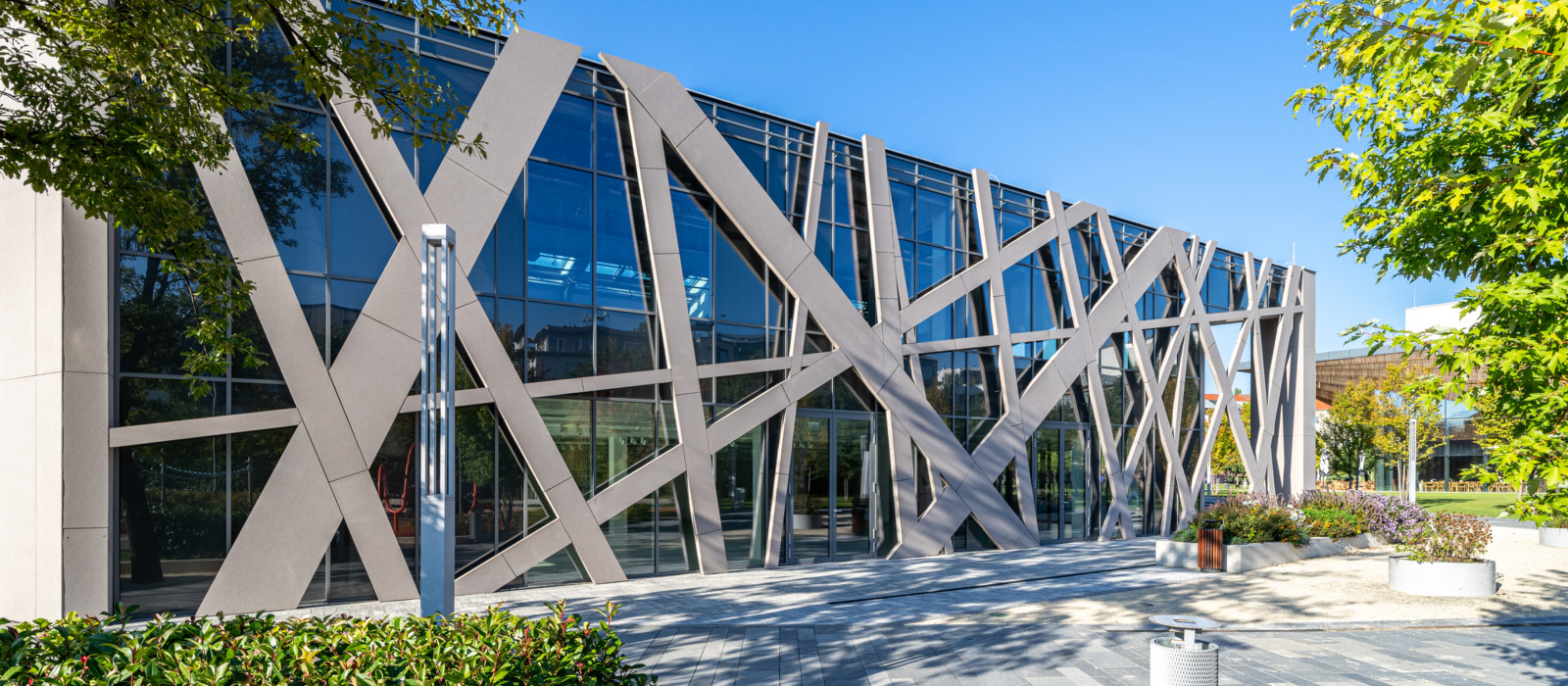
Existing Buildings, New Roles: Why Is Green Retrofit Coming to the Fore?
Accelerating climate change and wartime tensions have made one thing clear: planning should increasingly focus on transforming the existing building stock
Due to the increasingly severe shortage of raw materials and the tightening EU regulations aimed at achieving climate targets, the modernisation and functional transformation of existing buildings are increasingly coming to the fore in the European construction industry, instead of greenfield developments. According to CÉH zRt.’s experts, the rapid spread of this approach in the Hungarian market is still being hindered by regulatory and financing gaps. At the same time, volatile energy prices caused by geopolitical tensions are having the opposite effect: in building operations, the gap is increasingly widening in favour of energy-efficient, modern buildings over outdated ones, while high energy costs are also feeding through into construction material prices. As a result, when considering the full life cycle, transforming an existing building in a good location is becoming not only more sustainable, but also more economically viable — and certainly more predictable — than a greenfield development on the outskirts of a city.
The need to shift towards green renovation is also reinforced by data on the European Union’s building stock: according to a 2020 statistical survey, the 27 EU Member States have nearly 112 million buildings, of which 101 million are residential buildings.
According to the findings of the Renovation Wave Strategy,
85–95 PERCENT OF TODAY’S EXISTING BUILDINGS ARE EXPECTED TO STILL BE STANDING IN 2050. WITHOUT RENOVATING AN INCREASING SHARE OF THESE BUILDINGS, ACHIEVING THE EU’S CLIMATE TARGETS WILL BE PRACTICALLY IMPOSSIBLE.
Global climate targets and geopolitical uncertainties are fundamentally reshaping the rules of the real estate development market: according to an international survey, global industrial carbon dioxide emissions decreased by approximately 0.4 percent in 2024–2025. By contrast, emissions from the building stock and electricity generation continue to rise, by between 0.4 and 1 percent. The situation is further aggravated by logistical difficulties and raw material shortages: of the fourteen strategic construction materials identified, the European Union is self-sufficient in only one, while the rest must be sourced from outside the EU. As a result, instead of the former practice built primarily on greenfield developments,
THE GREEN RENOVATION OF EXISTING BUILDINGS — GREEN RETROFIT — IS INCREASINGLY BECOMING THE SECTOR’S MOST RATIONAL AND RESILIENT SOLUTION.
The European regulatory environment sets a clear direction for future developments, as one of the main objectives of the strict EU energy regulations, which set new milestones to be achieved each year, is to increase the current building renovation rate from below one percent to above three percent. This places an enormous task on the construction industry in every Member State. In the future, environmental impact will have to be assessed through life-cycle LCA calculations (Life Cycle Assessment), from the extraction of raw materials all the way to the reuse of the building.
“The European population is not growing, so instead of further expanding the building stock, it is far more justified to change the function of existing, underused buildings and brownfield areas. This could include converting offices into residential units or transforming industrial facilities into cultural centres,” said Gábor Molnár, Senior Project Manager at CÉH zRt., to Portfolio. He believes that urban sprawl is a serious social and environmental challenge. Brownfield rehabilitation and the transformation of existing properties play a key role in stopping this process.
The 37-year-old CÉH is one of Hungary’s leading engineering firms. Its name is associated with projects such as the Megyeri Bridge, MOL Campus, the renovation of the Hungarian State Opera House, the BMW plant in Debrecen, the Tomori Pál Bridge and the new Diagnostic Building of Semmelweis University’s Városmajor Heart and Vascular Centre.
In Austria and several Western European countries, targeted city-centre renewal programmes are already in place to prevent residents and commerce from moving to the outskirts of settlements, while historic city centres become deserted and green areas suitable for food production are built over.
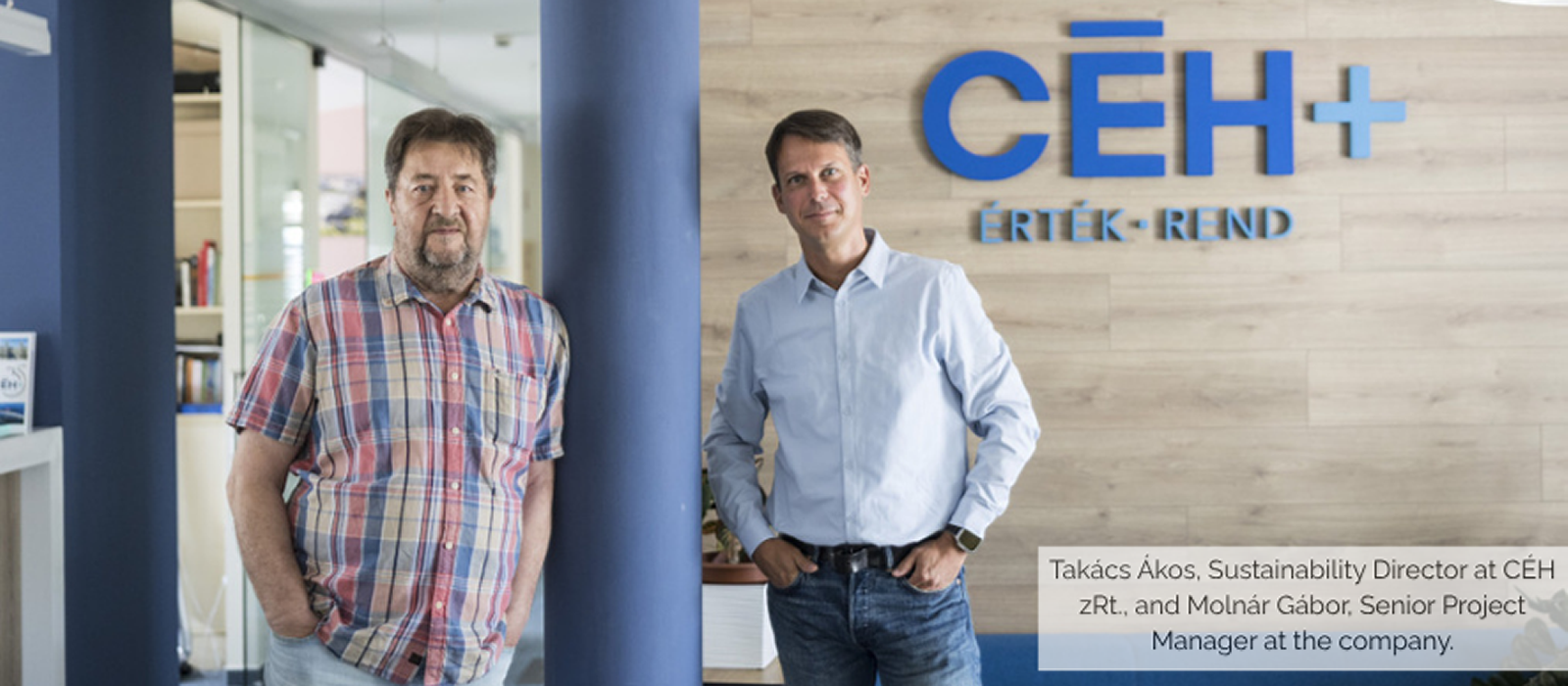
“International examples — such as the community-led rehabilitation of Newcastle city centre in the United Kingdom or the port development in Montreal — clearly show the desired direction, but the Hungarian regulatory environment is still lagging behind,” said Ákos Takács, Sustainability Director at CÉH zRt. In his view, environmental protection will not be achieved as long as it remains cheaper to build on the outskirts of a settlement than, for example, to renovate a vacant building in the city centre. “Despite the initial difficulties and the sometimes unavoidable deep renovations, revitalising underused brownfield areas and outdated facilities offers real estate investors a value-preserving, resilient strategy for the future,” he added.
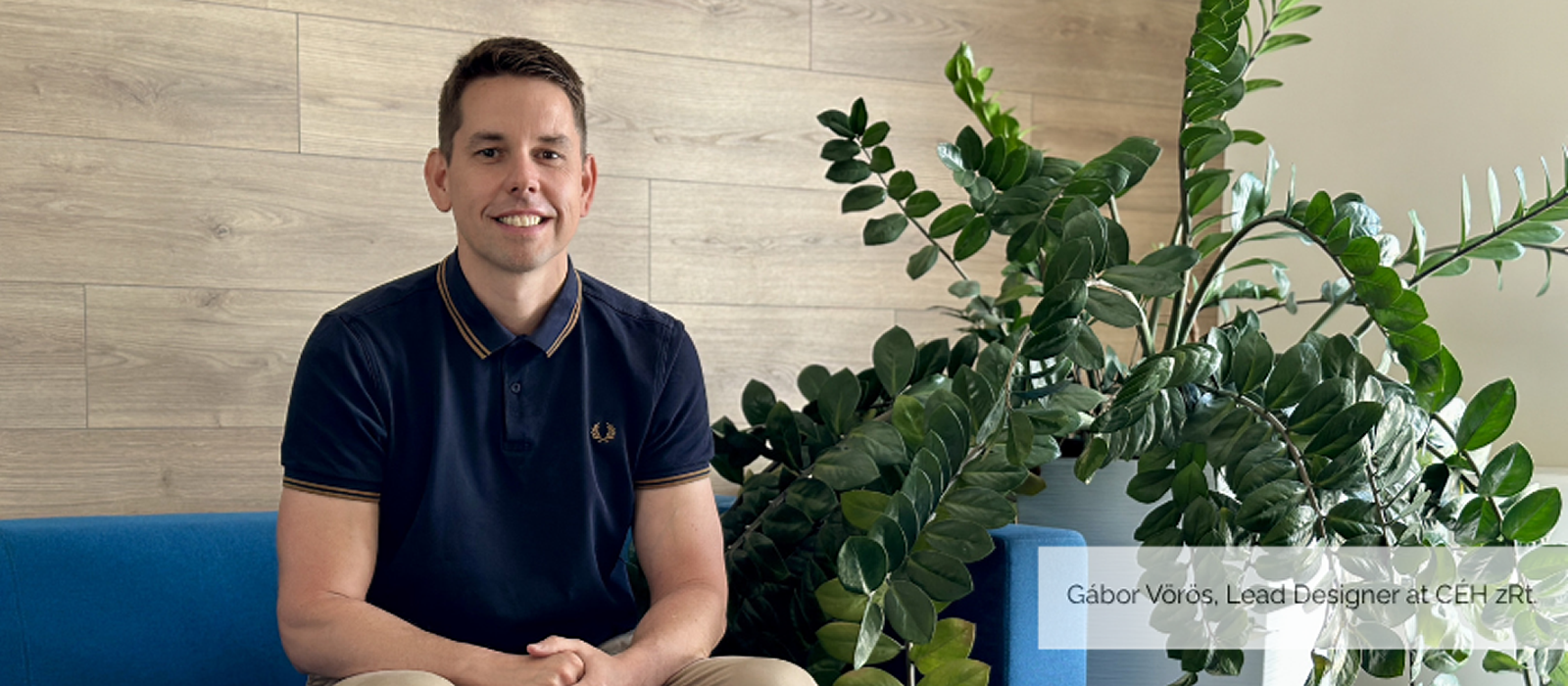
However, green renovation still does not carry sufficient weight in real estate investment decision-making. “Retrofit solutions are not yet economically competitive with new builds in every case. For them to become more widespread, appropriate regulation, green loans, awareness-raising and education reform would also be needed,” said Gábor Vörös, Lead Designer at CÉH zRt. At the same time, due to rising — or at least volatile — energy prices and changing tenant expectations, operating outdated buildings can already quickly create a competitive disadvantage. By contrast, a building that has been modernised both energetically and functionally, and that meets the 2050 decarbonisation targets, represents a much lower risk and is also becoming easier for investors to finance.
Demolish or convert? – How to assess which path is more viable
Successful functional transformation and value creation often require what is known as deep renovation. This means that, with the exception of the load-bearing structure, the building is stripped back almost completely. Mechanical and electrical systems that are 50–60 years old are no longer capable of meeting today’s requirements, so they need to be replaced with entirely new systems. The coronavirus pandemic has also fundamentally changed expectations: new spatial planning needs have emerged in both residential and office buildings.
Today, the economical operation of renovated or newly developed buildings is supported by digitalisation and artificial intelligence. Modern facilities have what is known as a digital twin: a detailed 3D BIM model in which all the information required for operation and maintenance is available from the design phase onwards. This provides effective support for cost-efficient building maintenance.
“An intelligent system not only adapts to user habits and optimises heating or cooling, but also predicts potential failures. A good example is the London Underground network or the development of an InterCity network in Germany, where intelligent vehicles taken out of service notify the depot responsible for predictive maintenance in advance of the required replacement parts, thereby significantly reducing maintenance time. In the case of a building, the designed and installed systems and equipment can similarly indicate in advance when interventions will become necessary. The same efficiency gains and significant cost reductions can also be achieved in the daily operation of smart office buildings, industrial buildings or even clinics,” explained Ákos Takács.
The Hungarian market also offers an increasing number of successful examples that demonstrate the relevance of green renovations and functional transformations. The company has successfully delivered numerous projects where the rethinking, modernisation or partial functional transformation of the existing building stock formed the basis of the development. For example, for one of its clients, CÉH provided technical support in the search for a new headquarters. The choice ultimately fell on an architecturally valuable building in need of modernisation. During the development, a significant part of the property was given a new function, while the renovation was carried out in line with today’s technical, operational and user expectations.
In another project, CÉH zRt. acted as the lender’s technical supervisor during the transformation of certain floors of a property. During the development, the building underwent a partial change of function, and modern dormitory rooms were created within the existing structure. These examples clearly show that retrofit does not only mean energy modernisation: in many cases, it is about giving buildings new functional value and a new purpose. Outstanding results were also achieved during the transformation of the Eiffel Art Studios in Budapest, where a former industrial building was given a modern cultural and event function.
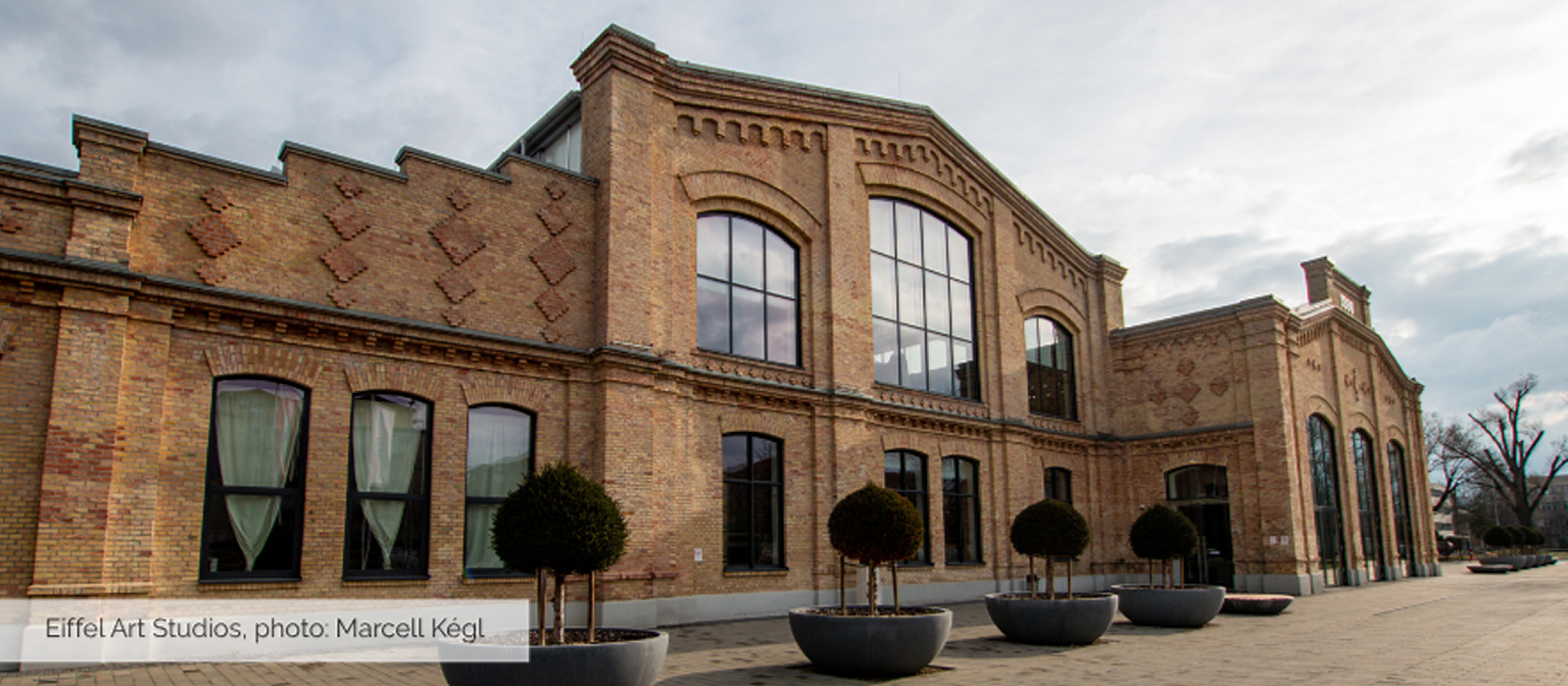
Brownfield rehabilitations — such as the development of the Millenáris Exhibition and Event Centre on the former Ganz site in the heart of Buda — hold enormous potential, although site remediation can, in some cases, consume a very significant share of the investment costs.
Renewing an existing building, changing its function or opting for complete demolition is a decision that requires serious engineering and economic analysis. As the first step in project management and design, experts examine the physical condition of the building, the legal and regulatory environment, and the possible directions for new use. Based on these data, a multi-scenario feasibility study and the related cost estimate provide owners with the essential foundation needed to launch the development.
“If demolition ultimately proves to be the only rational option, the reuse of demolition waste — such as steel structures or crushed concrete — can also be integrated into projects in the spirit of the circular economy. This can reduce the extraction of new raw materials and mitigate environmental impact,” added Gábor Molnár. He also noted that CÉH zRt. is one of the few market players where all of the above-mentioned competencies are available in-house, enabling the company to provide the necessary design and project management services internally and deliver a comprehensive, turnkey solution.
The article is based on a piece published by Portfolio on 8 July 2026.