New Transport Museum
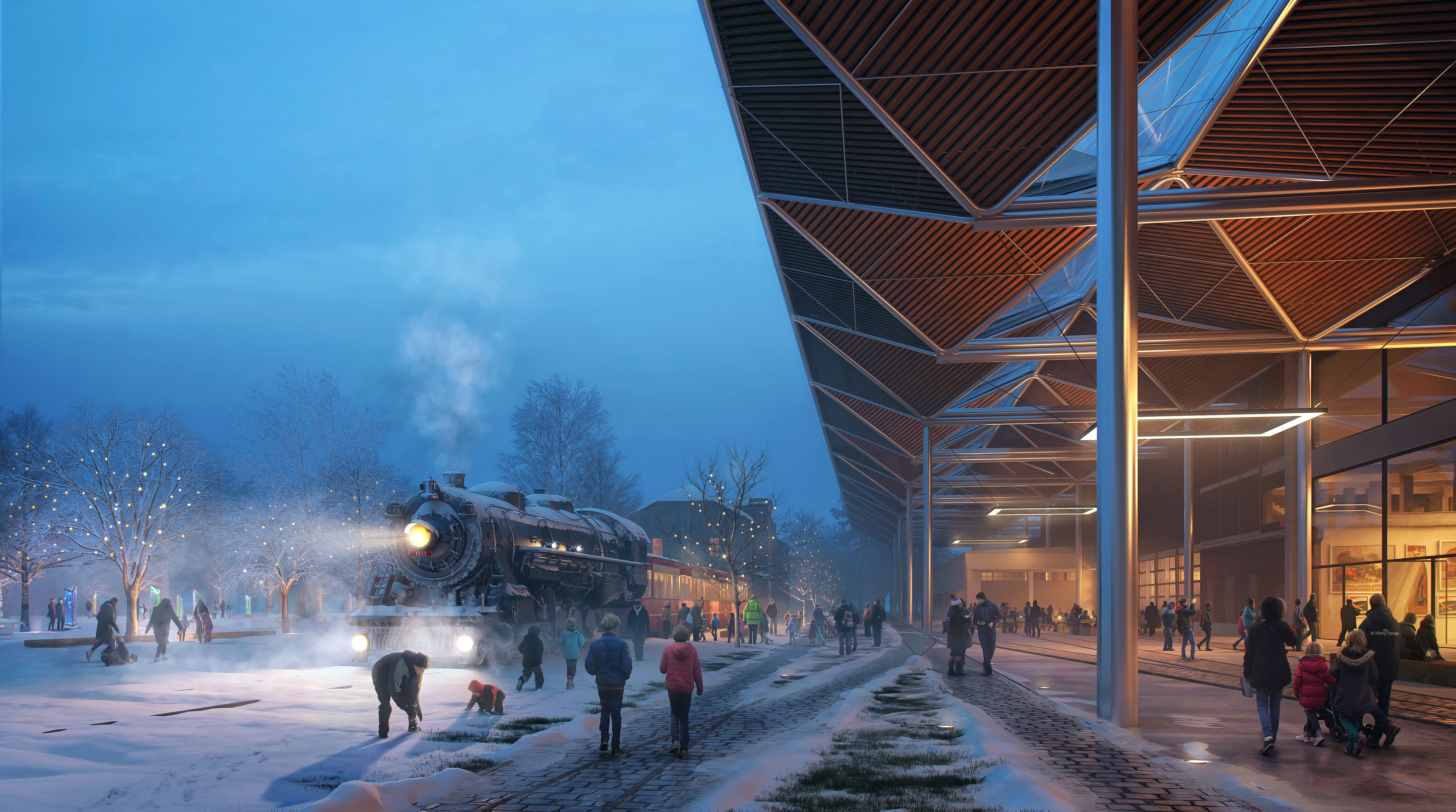
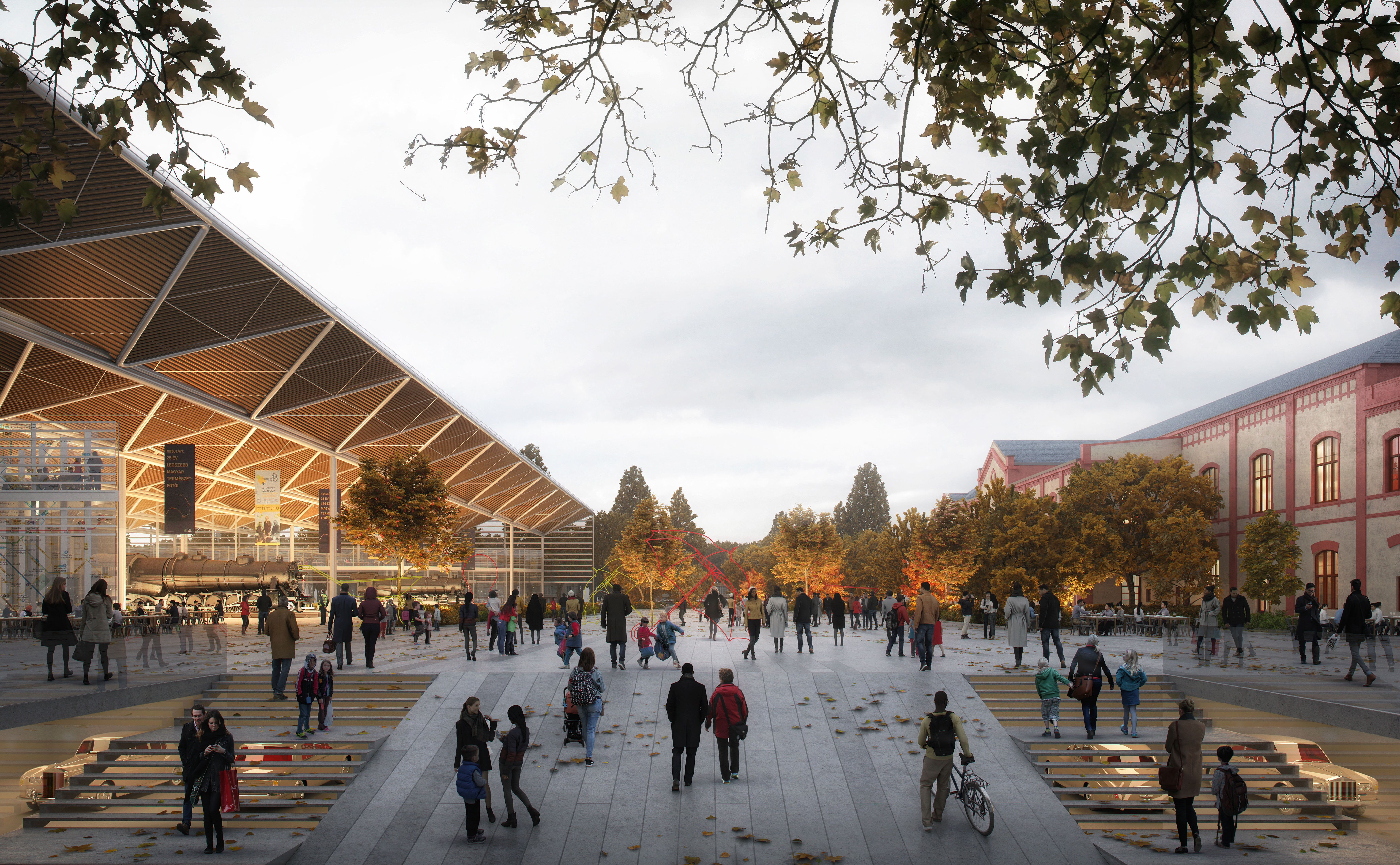
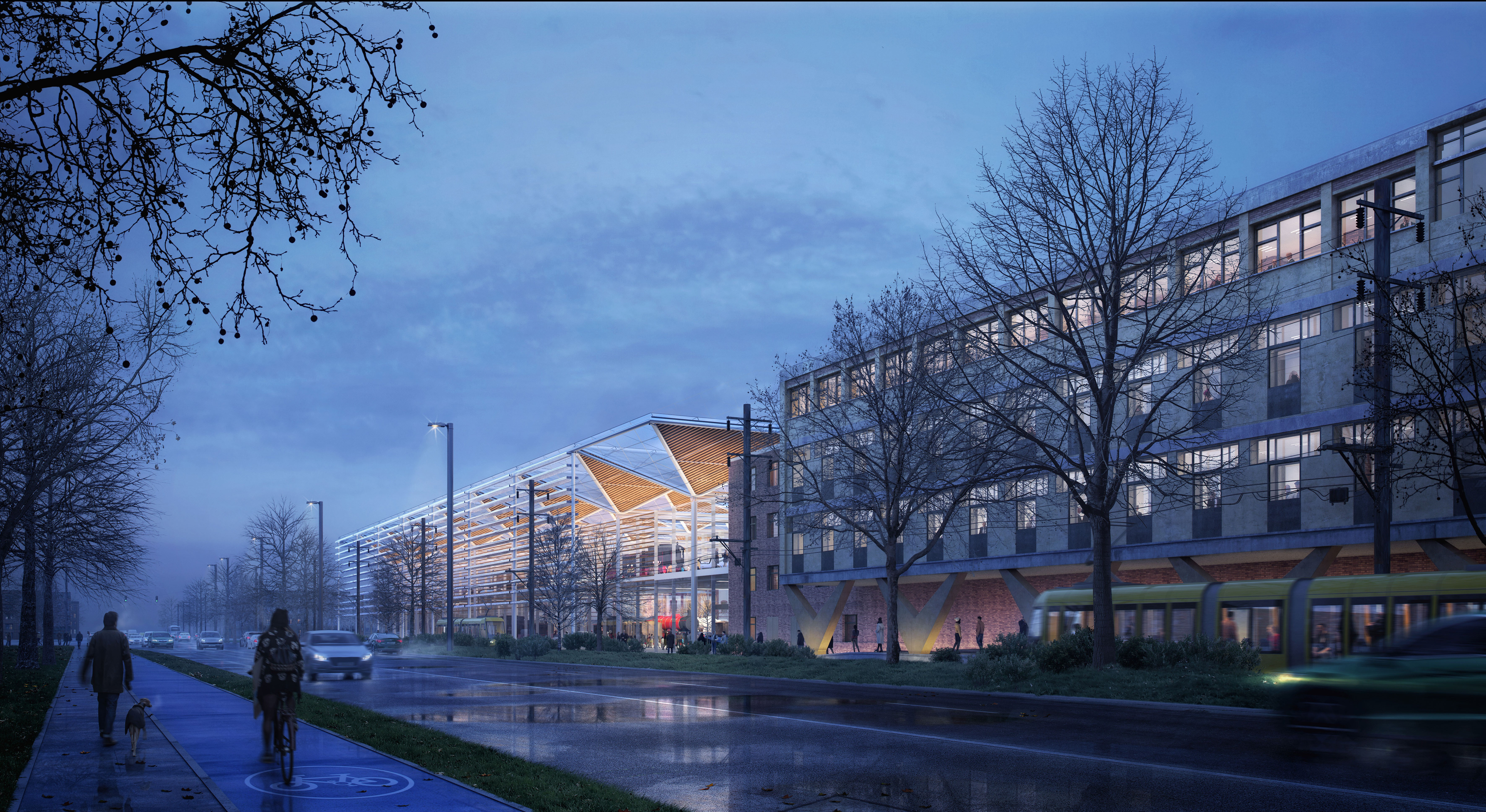
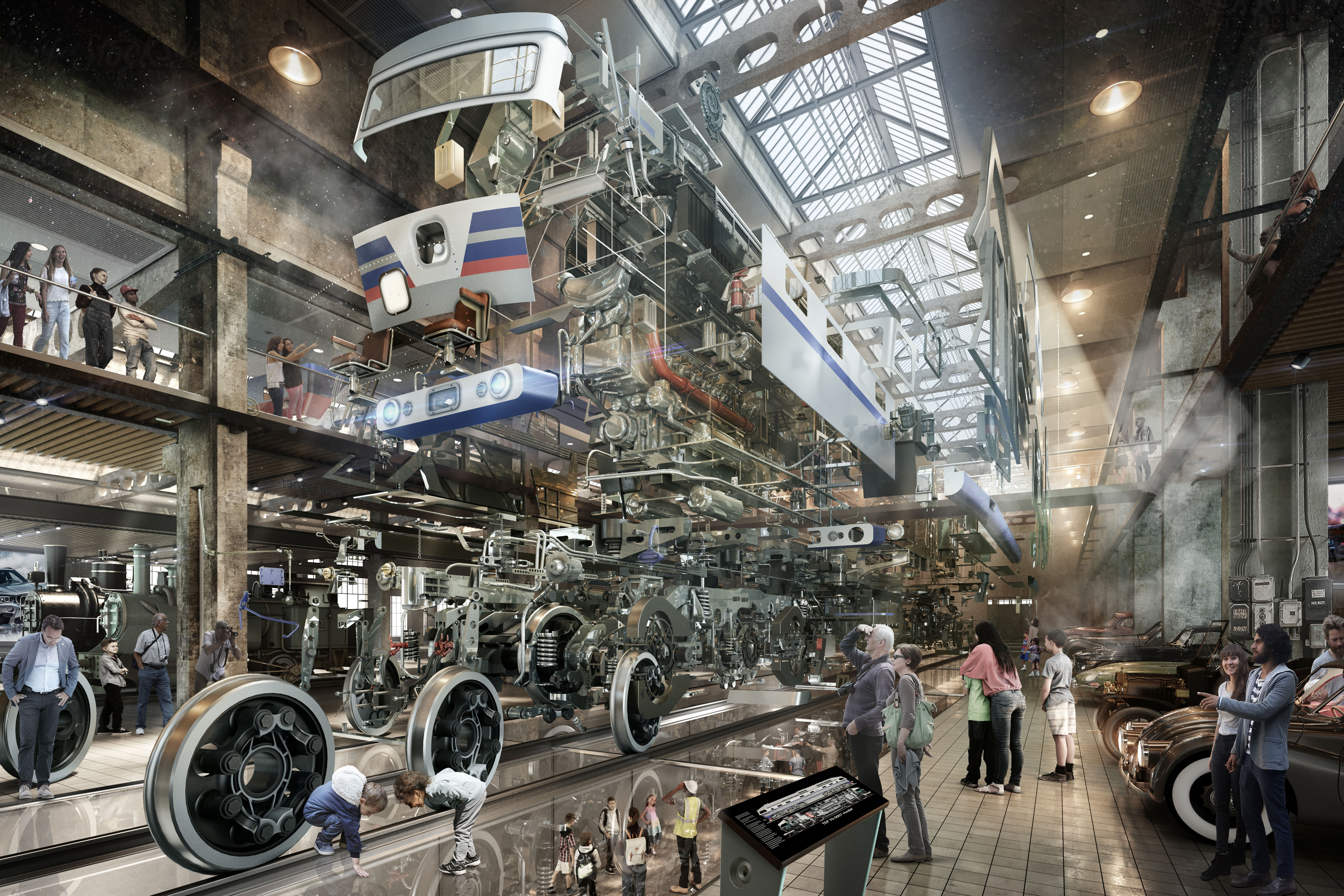
The international design competition for the New Transport Museum addressed one of Budapest’s major brownfield and cultural development opportunities. The aim of the concept was to create a new, modern home for the museum on the site of the former Northern Railway Maintenance Depot in Kőbánya, an area of significant industrial heritage, replacing the former museum building in City Park. The key question of the competition was how a former industrial site could be given a new cultural function while preserving the character of the existing buildings and the historical layers of the site.
Our company participated in the invited design competition as part of the Foster + Partners consortium, as consortium lead. Our role was to provide professional support for the architectural concept: we contributed to the work of the international design team through our local knowledge, heritage and urban planning experience, and understanding of the Hungarian regulatory environment. A particularly important aspect of the project was aligning the international architectural vision with Budapest’s urban fabric, the industrial heritage of the site, and the local conditions.
The uniqueness of the design competition concept lay primarily in the site itself. The long-underused industrial area of District X, located close to the city centre, offered development potential that went far beyond the creation of a museum building. The proposal was based on the adaptive reuse of the former diesel hall of the Northern Railway Maintenance Depot, the integration of smaller existing buildings, and the comprehensive renewal of the area. This represented an architectural, urban development and heritage conservation challenge at the same time.
The sustainability value of the competition entry was reflected primarily in the reinterpretation of industrial heritage and the reuse of the existing building stock. Instead of envisioning a new museum on an empty site, the concept was based on the revitalisation of a distinctive historic industrial environment, contributing to the expansion of cultural functions and the renewal of the urban fabric.
The competition entry received a purchase prize, confirming the quality of the international and Hungarian professional collaboration. For us, the project is also an important reference because it clearly demonstrates how we can add value as a Hungarian engineering and architectural partner to an international design competition team: through design capacity, local knowledge, regulatory expertise and the interpretation of urban development contexts.
Services for this project
Related sectors
Please have a look at these related projects